
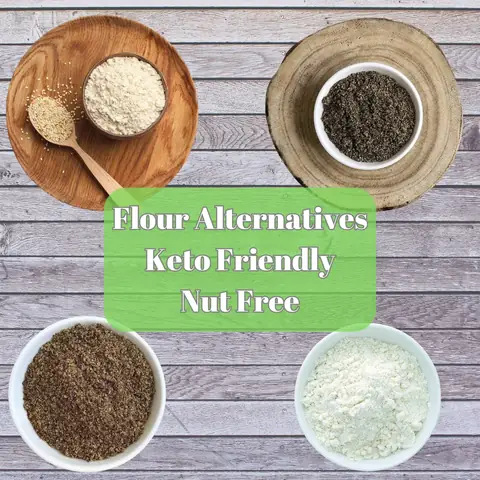
Navigating the world of keto baking is challenging enough without the added constraint of nut allergies. While almond flour reigns supreme in low-carb circles, a significant portion of the keto community must avoid tree nuts and peanuts due to severe allergies or personal preference. This creates a critical need for reliable, high-performing, nut-free keto flours that can deliver delicious results without compromising dietary macros. This comprehensive review cuts through the noise to analyze the top seven nut-free flour alternatives for keto baking, evaluating them based on nutritional profile, baking performance, flavor, texture, and cost-effectiveness. Our goal is to provide you with a clear, evidence-based guide to help you choose the perfect flour for your next keto creation, ensuring your baked goods are safe, satisfying, and truly ketogenic.
Có thể bạn quan tâm: Khám Phá Các Loại Trà Sữa Trân Châu Độc Đáo Nhất
Có thể bạn quan tâm: 12 Món Ăn Giàu Protein Ít Carb Cho Bữa Cơm Gia Đình
Quick Comparison: Top Nut-Free Keto Flours at a Glance
Before diving into detailed reviews, here’s a side-by-side snapshot of the leading contenders. This table summarizes their key nutritional data (per 1/4 cup, approx. 30g), primary flavor profile, best-use cases, and relative cost to help you make an initial shortlist.
| Flour Type | Net Carbs (g) | Fiber (g) | Protein (g) | Flavor Profile | Best For | Cost |
|---|---|---|---|---|---|---|
| Coconut Flour | 4-6 | 10-12 | 2-3 | Mild, sweet, coconutty | Cakes, muffins, pancakes, thickener | $ |
| Flaxseed Meal | 0-1 | 8-10 | 6-8 | Nutty, earthy, robust | Bread, pizza crust, hearty muffins | $ |
| Sunflower Seed Flour | 4-5 | 3-4 | 6-7 | Mild, slightly sweet, earthy | Cookies, pie crusts, brownies | $$ |
| Chia Seed Flour | 1-2 | 10-12 | 4-5 | Neutral, almost imperceptible | Thickening, binding, multi-purpose | $$$ |
| Sesame Flour (Tahini Flour) | 3-4 | 4-5 | 8-9 | Rich, distinctly nutty (no nuts) | Savory breads, crackers, bagels | $$$ |
| Pumpkin Seed Flour | 3-4 | 2-3 | 8-9 | Rich, earthy, green-hued | Dense breads, energy bars, savory bakes | $$$ |
| Oat Fiber | 0 | 15-20 | 0-1 | Neutral, no flavor | Structure builder in blends, reducing carbs | $$ |
Note: Nutritional values are approximate and can vary by brand. Always check labels.
Có thể bạn quan tâm: Tổng Hợp Tên Các Loại Khoai Lang Phổ Biến
Detailed Reviews: In-Depth Analysis of Each Flour
Coconut Flour: The High-Fiber Staple
Overview & Origin: Made from dried coconut meat that has had its oil pressed out, coconut flour is a byproduct of coconut milk/oil production. It’s naturally gluten-free, grain-free, and, of course, nut-free. Its defining characteristic is an exceptionally high fiber content, which dramatically reduces its digestible net carb count.
Nutritional Breakdown (1/4 cup):
- Net Carbs: ~4-6g
- Total Carbs: ~16-18g
- Fiber: ~10-12g
- Protein: ~2-3g
- Fat: ~4-6g
Baking Performance & Texture: Coconut flour is notoriously absorbent—it can soak up 4-5 times its weight in liquid. This makes it incredibly drying. Recipes using 100% coconut flour require a significantly higher ratio of eggs (often 4-6 eggs per 1 cup of flour) and liquid to provide moisture and structure. Baked goods tend to be very light, fluffy, and slightly crumbly if not enough fat/eggs are used. It has a mild, sweet coconut flavor that can complement desserts but may be noticeable in savory applications.
Key Advantages:
- Extremely Low Net Carbs: Its high fiber makes it one of the lowest net-carb options available.
- Widely Available & Affordable: One of the most accessible and cost-effective nut-free keto flours.
- Good for Light Bakes: Excellent for pancakes, cupcakes, and light cakes when recipes are properly formulated.
Primary Drawbacks:
- Steep Learning Curve: It behaves completely differently from wheat or nut flours. Substituting 1:1 will almost always fail.
- Dry Results: Prone to producing dry, crumbly baked goods if the recipe isn’t specifically designed for it.
- Coconut Flavor: Not ideal for recipes where a neutral flavor is desired.
Best Used In: recipes specifically developed for coconut flour. It can also be used in small quantities (1-2 tbsp) in blended flour mixes to boost fiber and reduce net carbs without overly affecting texture. Ideal for pancakes, muffins, and cakes.
Verdict: A foundational, budget-friendly nut-free flour, but one that demands respect and recipe adherence. Not suitable for simple substitution.
Flaxseed Meal: The Omega-3 Powerhouse
Overview & Origin: Simply ground whole flaxseeds (brown or golden). It’s a nutritional powerhouse, rich in soluble fiber, lignans (antioxidants), and alpha-linolenic acid (ALA), a plant-based omega-3 fatty acid.
Nutritional Breakdown (1/4 cup, brown):
- Net Carbs: ~0-1g (total carbs ~8g, fiber ~7-8g)
- Protein: ~6-8g
- Fat: ~6-8g (mostly polyunsaturated)
Baking Performance & Texture: Flaxseed meal forms a gel when mixed with water (1 tbsp meal + 2.5-3 tbsp water, set for 5 mins), mimicking the binding properties of gluten. This “flax egg” is a legendary vegan binder. In baking, it creates a dense, moist, and slightly gritty texture. It imparts a strong, earthy, nutty flavor and a dark brown color. It’s rarely used alone; it’s typically mixed with other flours (like coconut or sunflower seed) to provide structure and moisture retention.
Key Advantages:
- Outstanding Nutritional Profile: Unbeatable for fiber, omega-3s, and lignans.
- Excellent Binder: The gelatinous property is crucial for holding together egg-free or flour-blend recipes.
- Very Low Net Carbs: Effectively negligible net carbs.
- Shelf-Stable: Whole flaxseeds last longer; grind fresh for best potency.
Primary Drawbacks:
- Strong Flavor & Color: Dominates the taste and darkens baked goods significantly.
- Dense Texture: Can make final products heavy if used in excess.
- Phytoestrogens: Contains compounds that mimic estrogen; individuals with hormone-sensitive conditions may want to moderate intake.
- Rancidity Risk: Ground flax can go rancid quickly. Store in the fridge or freezer.
Best Used In: As a partial flour (10-30% of the blend) in bread, muffins, and crackers for structure and moisture. Perfect for making flax eggs as an egg substitute.
Verdict: A nutritional champion and functional binder, but not a standalone flour for light, delicate pastries. Use it as a supporting actor in flour blends.
Sunflower Seed Flour: The Almond Flour Mimic
Overview & Origin: Finely ground sunflower seeds. It has gained immense popularity as the premier direct substitute for almond flour, offering a similar fat and protein content with a milder flavor.
Nutritional Breakdown (1/4 cup):
- Net Carbs: ~4-5g
- Total Carbs: ~8-9g
- Fiber: ~3-4g
- Protein: ~6-7g
- Fat: ~12-14g
Baking Performance & Texture: This is the closest nut-free analog to almond flour. It has a slightly sweet, earthy, and very mild “nutty” flavor (despite being seed-based) that doesn’t overpower. The texture is fine and can produce a crumbly, shortbread-like consistency similar to almond flour. It absorbs less liquid than coconut flour but more than wheat flour. It can often be substituted 1:1 for almond flour in many recipes, though a slight adjustment in liquid may be needed.
Key Advantages:
- Closest to Almond Flour: The go-to for those avoiding nuts but wanting that classic keto bake texture.
- Versatile: Works well in cookies, brownies, pie crusts, and quick breads.
- Mild Flavor: Doesn’t impose a strong seed or coconut taste.
- Good Nutrient Balance: Healthy fats, moderate protein, low-ish net carbs.
Primary Drawbacks:
- Can Turn Green: When combined with baking soda, a chemical reaction can cause a harmless but unappetizing greenish hue in the final product. Using baking powder or adding an acid (like vinegar or lemon juice) can mitigate this.
- Moderate Net Carbs: Higher than flax or chia, so must be used mindfully on strict keto.
- Allergy Note: Rare, but some with severe sunflower allergies must avoid.
Best Used In: As a direct 1:1 replacement for almond flour in cookies, brownies, and bars. Excellent for pie crusts and any recipe calling for a crumbly texture.
Verdict: The all-around champion for nut-free keto baking. Its versatility and familiar performance make it the first choice for many transitioning from nut-based flours.
Chia Seed Flour: The Neutral Gel Master
Overview & Origin: Finely ground chia seeds. Like flax, it forms a powerful gel when hydrated, but with a more neutral flavor and a different textural contribution.
Nutritional Breakdown (1/4 cup):
- Net Carbs: ~1-2g
- Total Carbs: ~13-14g
- Fiber: ~11-12g
- Protein: ~4-5g
- Fat: ~6-7g
Baking Performance & Texture: Chia gel is even more potent than flax gel. When used in baking, chia flour contributes significant moisture, a slight chewiness, and a very fine, almost gelatinous crumb. It has virtually no flavor of its own. However, it can create a somewhat gummy or dense texture if used as the primary flour. It’s almost always used in combination with other flours (10-25%) to improve moisture retention, extend freshness, and add fiber without altering taste.
Key Advantages:
- Extremely High Fiber: Excellent for boosting fiber content and lowering net carbs in any blend.
- Flavorless: Won’t interfere with the intended flavor profile of your bake.
- Superior Moisture & Freshness: Helps baked goods stay moist for longer.
- Powerful Binder: Excellent for vegan and egg-free baking.
Primary Drawbacks:
- Expensive: One of the pricier options per ounce.
- Gummy Texture: Overuse leads to a dense, chewy, sometimes gummy result.
- Not a Standalone Flour: Must be part of a blend for best results.
Best Used In: As a 10-25% addition to any flour blend (especially coconut or sunflower) to enhance moisture, binding, and fiber. Great in puddings, smoothies, and as an egg substitute.
Verdict: Not a primary flour, but a powerful and neutral additive that elevates the performance of any nut-free keto flour blend.
Sesame Flour (Tahini Flour): The Savory Specialist
Overview & Origin: Made from ground hulled sesame seeds (tahini is the paste). It offers a rich, distinctive “nutty” flavor that is uniquely sesame, despite being seed-based.
Nutritional Breakdown (1/4 cup):
- Net Carbs: ~3-4g
- Total Carbs: ~7-8g
- Fiber: ~4-5g
- Protein: ~8-9g
- Fat: ~12-14g
Baking Performance & Texture: Sesame flour has a fine, soft texture but is higher in fat than most seed flours. It produces a dense, moist crumb with a pronounced savory, toasty flavor. It lacks the structure of almond flour and is often combined with other flours or used in recipes where its strong flavor is a feature, not a bug. It can also turn slightly green with baking soda, similar to sunflower seed flour.
Key Advantages:
- High Protein & Fat: Excellent macronutrient profile for keto.
- Unique Flavor Profile: Perfect for creating intentionally savory, Middle Eastern, or Asian-inspired baked goods.
- Good Moisture Retention: Creates very moist final products.
Primary Drawbacks:
- Strong, Distinct Flavor: Not versatile; can overpower delicate desserts.
- Expensive: Typically the most costly seed flour.
- Texture: Can be heavy and dense if not balanced with lighter flours.
- Color Change: Potential for greenish tint.
Best Used In: Savory crackers, flatbreads, bagels, and as a partial flour in recipes where a sesame or tahini flavor is desired (e.g., sesame cookies, halva-style bars).
Verdict: A premium, flavor-forward flour best reserved for specific savory applications where its unique taste is celebrated.
Pumpkin Seed Flour (Pepitas Flour): The Nutrient-Dense Contender
Overview & Origin: Finely ground hulled pumpkin seeds (pepitas). It’s less common than sunflower or flax but offers a robust nutritional profile.
Nutritional Breakdown (1/4 cup):
- Net Carbs: ~3-4g
- Total Carbs: ~6-7g
- Fiber: ~2-3g
- Protein: ~8-9g
- Fat: ~12-14g
- Rich in Magnesium, Zinc, Iron.
Baking Performance & Texture: Similar to sunflower seed flour in many ways—mildly earthy, greenish in color, and with a good fat content. It tends to produce a denser, more substantial crumb. Its flavor is more pronounced than sunflower but less than sesame. It works well as a partial flour in blends, especially for heartier, bread-like creations.
Key Advantages:
- Mineral Rich: Excellent source of magnesium and zinc.
- Good Protein/Fat Ratio: Aligns well with keto macros.
- Distinctive Color: Adds a green tint, which can be fun for themed baking.
Primary Drawbacks:
- Availability: Harder to find than sunflower or flax.
- Cost: Generally expensive.
- Flavor & Color: The earthy taste and green color limit its use in light or sweet bakes.
- Lower Fiber: Less fiber than flax or chia, so net carbs are relatively higher.
Best Used In: Dense breads, muffins, energy bars, and as a nutritional booster in savory baking blends.
Verdict: A nutritious but niche flour. Its best use is in combination with other flours for hearty, nutrient-packed baked goods where its color and flavor are acceptable.
Oat Fiber: The Carb-Canceling Specialist
Overview & Origin: Not to be confused with oat flour, oat fiber is made from the insoluble fibrous hulls of oats. It contains zero digestible carbohydrates and zero calories. It is a pure fiber ingredient.
Nutritional Breakdown (1/4 cup):
- Net Carbs: 0g
- Total Carbs: ~15-20g (all fiber)
- Fiber: ~15-20g
- Protein: ~0-1g
- Fat: ~0g
Baking Performance & Texture: Oat fiber has no structure, flavor, or fat. It is a functional ingredient only. Its sole purpose is to add bulk and fiber to a flour blend, thereby reducing the overall net carb count of the final product without affecting taste. It can make baked goods dry and crumbly if used alone or in excess. It must be combined with other flours that provide structure (like eggs, psyllium husk, or protein-rich flours) and moisture/fat.
Key Advantages:
- Zero Net Carbs: The ultimate tool for driving down the net carb count of any keto recipe.
- Neutral Flavor & Color: Invisible in the final product.
- Improves Texture: In small amounts (5-10% of blend), it can mimic the texture of wheat flour more closely by adding bulk.
Primary Drawbacks:
- Zero Nutritional Value: Provides no protein, fat, or micronutrients.
- Drying Agent: Can lead to dry, gritty results if not balanced with sufficient fat and liquid.
- Not a Standalone Flour: Absolutely cannot be used alone; it’s a blend component.
Best Used In: As a 5-15% addition to any nut-free keto flour blend to reduce net carbs and improve texture. Commonly mixed with coconut flour, sunflower seed flour, or egg-based recipes.
Verdict: Not a flour in the traditional sense, but an indispensable tool for the serious keto baker aiming for ultra-low net carbs. Think of it as a “carb diluter.”
Có thể bạn quan tâm: Cách Làm Tắc Sấy Dẻo Tại Nhà Đơn Giản, Thơm Ngon
Head-to-Head: How Do They Compare to Almond Flour?
For context, let’s compare our top nut-free contenders to the gold standard: almond flour (blanched, finely ground almonds).
- Almond Flour (1/4 cup): ~2-3g net carbs, ~6g protein, ~14g fat. Flavor: mild, nutty. Texture: moist, dense, fine crumb.
- Sunflower Seed Flour: The closest direct substitute. Similar fat/protein, slightly higher net carbs. Flavor is mild and seed-like. Texture is very comparable. The main issue is the potential green tint.
- Coconut Flour: Fundamentally different. Much higher fiber, lower fat/protein. Requires many more eggs. Flavor is coconutty. Texture is light and fluffy if done right.
- Flax/Chia: Used as additives, not 1:1 swaps. They add density, moisture, and fiber but lack the fat content for a true almond flour mimic.
The Bottom Line: For a direct 1:1 swap in most almond flour cookie or muffin recipes, sunflower seed flour is your best bet. For cakes and pancakes where you want lightness, coconut flour (with a recipe adjustment) works. For bread and anything needing structure, flaxseed meal (in a blend) is key.
Who Should Choose Which Flour? A Practical Guide
- The Beginner Keto Baker (Allergy or Preference): Start with sunflower seed flour. Its behavior is most familiar and it’s the easiest to substitute in existing recipes.
- The Ultra-Low-Carb Purist: Your best friends are coconut flour (for light bakes) and oat fiber (as a blend booster). Combine them for incredibly low net carb counts.
- The Nutrient-Seeker: Prioritize flaxseed meal and chia seed flour for their omega-3s and fiber. Use them as 20-30% of your flour blend.
- The Savory Baker: Reach for sesame flour and pumpkin seed flour. They shine in crackers, savory breads, and as a coating.
- The Vegan Keto Baker: Flaxseed meal (for flax eggs) and chia seed flour are essential for binding without eggs. Combine with sunflower or coconut.
- The Budget-Conscious Baker: Coconut flour and flaxseed meal are typically the most affordable per net carb.
Frequently Asked Questions (FAQ)
Q1: Can I mix these flours?
Absolutely. Blending flours is not just recommended; it’s often necessary to achieve the desired texture and nutritional profile. A classic, versatile nut-free keto blend is: 2 parts sunflower seed flour : 1 part coconut flour : 1 part flaxseed meal. This combo balances moisture, structure, and flavor. Oat fiber can be added to this blend to slash net carbs further.
Q2: My sunflower seed flour turned my muffins green. Is it safe?
Yes, it’s perfectly safe and harmless. The green color is a chemical reaction between the chlorogenic acid in sunflower seeds and baking soda (an alkali). To prevent it: use baking powder instead (which contains an acid), add an acidic ingredient like lemon juice or vinegar to the batter, or reduce the amount of baking soda.
Q3: How should I store these flours?
All nut-free flours are perishable due to their high fat content (except oat fiber). Store them in an airtight container in the refrigerator or freezer. This extends their shelf life by 6-12 months and prevents rancidity. Coconut flour is more shelf-stable due to its low fat but is best kept cool and dry.
Q4: Are these flours gluten-free?
Yes, all the flours listed (coconut, seed flours, oat fiber) are naturally gluten-free. However, if you have celiac disease, always check the label for a “gluten-free” certification due to potential cross-contamination during processing.
Q5: Can I use these flours for frying or coating?
Sunflower seed flour and sesame flour work well for coating chicken or fish, creating a crispy, low-carb layer. Coconut flour is too absorbent and will become soggy. Flaxseed meal can be used but will create a very dark, dense coating.
Q6: What’s the absolute lowest net carb flour?
Pure oat fiber (0g net carbs) is the lowest, but it’s not a flour on its own. Flaxseed meal and chia seed flour have effectively zero net carbs when you account for their massive fiber content. Among the more versatile flours, coconut flour has the lowest net carbs per serving.
Conclusion: Making the Right Choice for Your Keto Kitchen
The landscape of best flour for keto baking has expanded far beyond almond flour, offering safe and delicious pathways for those with nut allergies. There is no single “best” nut-free keto flour; the optimal choice depends entirely on your specific recipe, flavor preference, and macro goals.
- For versatility and ease of substitution, sunflower seed flour is your all-purpose champion.
- For ultra-low net carbs and light textures, master coconut flour with its unique liquid requirements.
- To boost nutrition and moisture in any blend, incorporate flaxseed meal and chia seed flour.
- For savory, hearty bakes, explore the robust flavors of sesame and pumpkin seed flours.
- To aggressively reduce net carbs in any recipe, use oat fiber as a strategic blend component.
The most successful keto bakers are those who experiment with blends. Start with the simple 2:1:1 ratio (sunflower:coconut:flax) and adjust from there based on the desired outcome. Remember that baking with these alternative flours is a science—measure precisely, follow tested recipes, and take notes. By understanding the unique properties of each nut-free flour outlined in this review, you can confidently create a vast array of safe, satisfying, and truly ketogenic baked goods that everyone at your table can enjoy.
Ready to start baking? Explore our collection of tested nut-free keto baking recipes for practical applications of these flours, from fluffy pancakes to hearty bread.
Cập Nhật Lúc Tháng 2 24, 2026 by Pastaparadise
